
Buser Introduces Smart Updates to Enhance Booking Speed and Passenger Experience as part of its continued effort to modernize intercity bus travel across Brazil through technology-led improvements. Buser, a digital marketplace connecting passengers with bus travel options, has implemented a new set of smart updates aimed at reducing booking time, improving platform responsiveness, and enhancing the overall passenger journey. As consumer expectations for speed and convenience continue to rise, Buser is aligning its platform capabilities with the habits of digitally driven travelers who value efficiency and clarity. The latest updates focus on streamlining core booking flows, improving system performance, and delivering a more intuitive user interface. By prioritizing faster interactions and smoother navigation, Buser strengthens its role as a technology-enabled mobility platform in a competitive transportation environment. These updates reflect Buser’s broader strategy to combine data-driven insights with user-centric design, ensuring that passengers experience fewer delays, clearer information, and a more reliable digital booking process across devices.
Buser Accelerates Booking Speed Through Optimized Platform Architecture
Buser accelerates booking speed through optimized platform architecture designed to reduce processing time at every stage of the reservation journey. Buser has refined backend systems to handle search queries, availability checks, and payment confirmations more efficiently. These architectural improvements allow Buser to deliver faster results when users explore routes and finalize bookings. By minimizing latency and system bottlenecks, Buser ensures that passengers can complete transactions with fewer interruptions. Faster booking speed is especially critical during peak travel periods, and Buser’s enhancements support consistent performance under high demand. The updated architecture reflects Buser’s focus on scalability and reliability, enabling the platform to serve a growing user base without compromising speed. Through these improvements, Buser reinforces trust among passengers who expect quick and seamless digital interactions when planning intercity travel.
Buser Enhances User Interface Design to Improve Passenger Experience
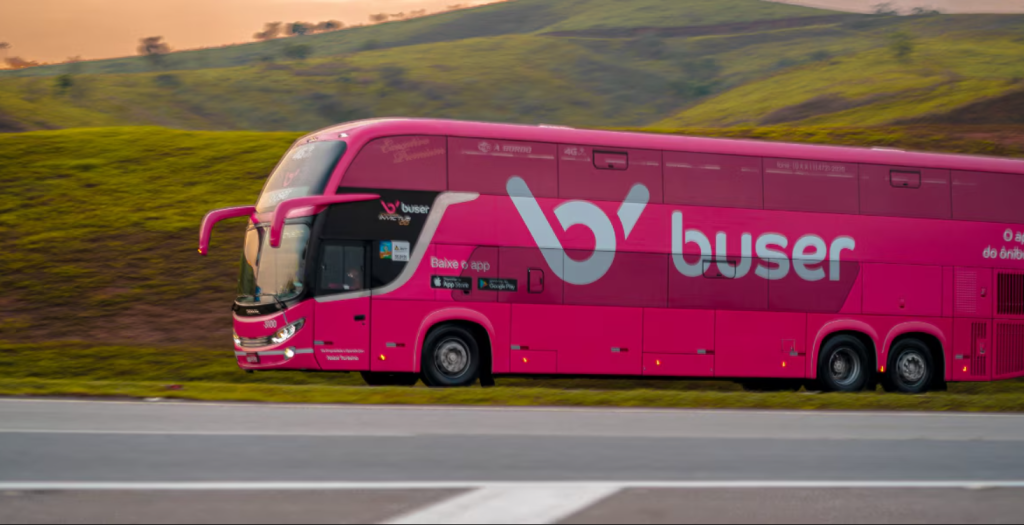
Buser enhances user interface design to improve passenger experience by simplifying visual layouts and reducing unnecessary steps in the booking flow. Buser has reorganized key elements such as route selection, seat availability, and pricing details to make information easier to scan and understand. This design refinement allows users to move through the platform more efficiently while maintaining clarity at each decision point. Buser’s interface updates are guided by usability insights that prioritize intuitive navigation and consistent design patterns. By reducing cognitive load, Buser helps passengers focus on essential choices without confusion. These improvements support both new and returning users, ensuring that the platform remains accessible regardless of digital familiarity. Buser’s attention to interface usability demonstrates its commitment to delivering a smoother and more engaging passenger experience.
Buser Improves Search and Filtering Tools for Faster Trip Discovery
Buser improves search and filtering tools for faster trip discovery, enabling passengers to identify suitable travel options with greater speed and precision. Buser has enhanced route search algorithms to return relevant results more quickly while offering refined filters based on departure time, destination, and travel preferences. These tools help passengers narrow down options efficiently, reducing the time spent comparing routes. Buser’s improved search functionality supports informed decision-making by presenting clear and organized results. By optimizing how information is retrieved and displayed, Buser shortens the path from search to booking. This focus on faster trip discovery aligns with Buser’s goal of making intercity bus travel planning more efficient and less time-consuming for passengers across Brazil.
Buser Integrates Smart Automation to Streamline Booking Workflows

Buser integrates smart automation to streamline booking workflows and minimize manual input during the reservation process. Automated validations, pre-filled user details, and intelligent prompts help reduce repetitive actions and potential errors. Buser’s automation features guide passengers smoothly through each step, ensuring that required information is captured accurately and efficiently. These workflow enhancements contribute to faster completion times and a more consistent booking experience. Buser leverages automation not only to improve speed but also to enhance reliability and reduce friction. By integrating intelligent systems into core processes, Buser supports a more seamless interaction between users and the platform. This approach highlights Buser’s emphasis on operational efficiency and passenger convenience.
Buser Strengthens Mobile Performance to Support Speed-Focused Travelers
Buser strengthens mobile performance to support speed-focused travelers who rely on smartphones for planning and managing trips. The latest updates improve app responsiveness, reduce load times, and enhance stability across different devices. Buser recognizes that mobile users expect quick interactions, and these improvements ensure that essential actions such as searching routes and confirming bookings are completed without delay. By optimizing mobile performance, Buser ensures consistency between app and web experiences. These enhancements enable passengers to book tickets efficiently even while on the move. Buser’s focus on mobile speed reflects broader consumer trends and reinforces its ability to meet modern travel expectations through reliable digital tools.
Buser Expands Real-Time System Responsiveness for Passenger Confidence
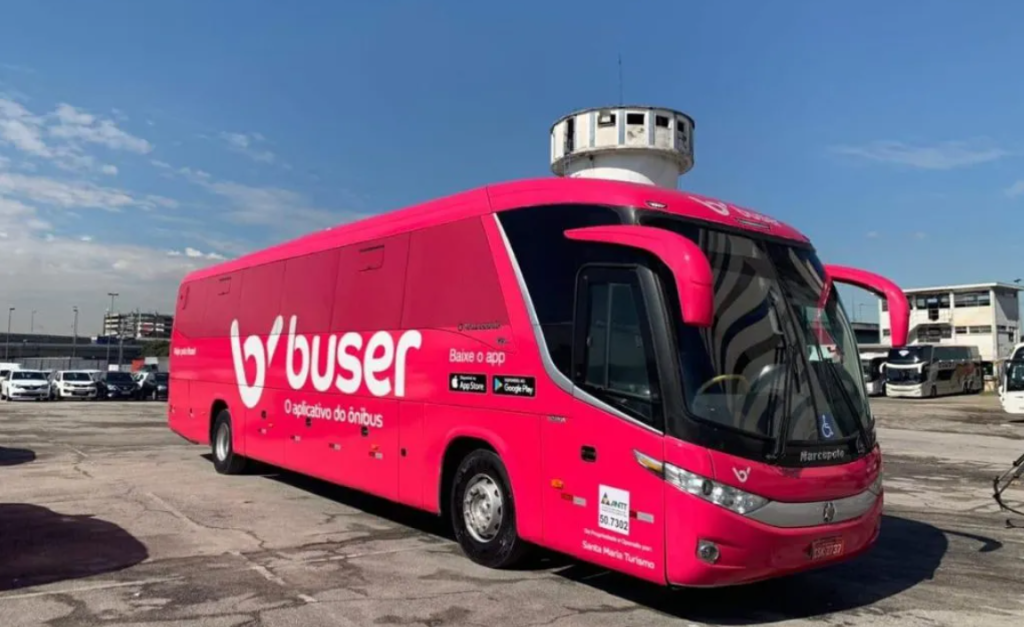
Buser expands real-time system responsiveness for passenger confidence by improving how updates and confirmations are delivered throughout the booking journey. Faster feedback on seat availability, payment status, and booking confirmation reduces uncertainty for users. Buser’s responsive systems ensure that passengers receive immediate acknowledgment of their actions, contributing to a smoother experience. This responsiveness is essential for building trust in a digital platform where delays can cause frustration. By enhancing real-time interactions, Buser supports transparency and reliability at critical moments of the booking process. These improvements help passengers feel more confident and in control when using Buser to plan intercity travel.
Buser Alignes Smart Updates With Long-Term Passenger Experience Strategy
Buser aligns smart updates with a long-term passenger experience strategy focused on speed, simplicity, and satisfaction. The recent enhancements are part of Buser’s broader vision to continuously refine how travelers interact with bus transportation through digital channels. By addressing performance, usability, and workflow efficiency, Buser ensures that platform improvements deliver measurable value to passengers. These updates support higher engagement and encourage repeat usage by offering a faster and more intuitive experience. Buser’s strategic approach emphasizes ongoing optimization rather than one-time changes. Through consistent innovation, Buser positions itself as a forward-looking mobility platform dedicated to improving booking speed and passenger experience across Brazil.