

In today’s fast-paced digital landscape, where customer attention is fleeting and competition is fierce, businesses are constantly on the lookout for innovative ways to connect with their audience. Enter ManyChat—an intuitive platform that’s reshaping the way brands engage with customers through conversational marketing. Imagine harnessing the power of automated messaging to create personalized interactions that feel as warm and genuine as a one-on-one conversation! In this blog post, we’ll explore how ManyChat can revolutionize your customer engagement strategy, turning casual browsers into loyal advocates while streamlining your communication efforts like never before. Buckle up as we dive into how this game-changing tool can elevate your brand’s voice and foster meaningful connections in an increasingly impersonal world!
Benefits of using ManyChat for customer engagement
ManyChat offers a seamless way to engage with customers, enhancing their overall experience. This platform allows businesses to create personalized interactions that feel genuine. Customers appreciate tailored messages based on their preferences and behaviors. With automation at its core, ManyChat saves time while ensuring prompt responses. Chatbots can handle inquiries 24/7, giving customers the information they need without delays. This efficiency builds trust and satisfaction. Additionally, ManyChat’s analytics tools provide valuable insights into customer behavior. Businesses can refine their strategies using real-time data to drive engagement further. The platform also supports multiple channels like Facebook Messenger and SMS, enabling brands to meet customers where they are most active. By diversifying communication methods, companies strengthen their reach and connection with audiences. Ultimately, leveraging ManyChat helps foster deeper relationships between businesses and consumers in an increasingly digital landscape.
Case studies of successful businesses using ManyChat
Many businesses have harnessed the power of ManyChat to elevate their customer engagement. Take a look at some notable case studies. A popular e-commerce brand integrated ManyChat into its marketing strategy and saw a 30% increase in sales within just three months. By sending personalized product recommendations via Messenger, they captured customers’ attention effectively. Another success story involves a local restaurant that utilized ManyChat for reservations and menu updates. Their automated messaging led to increased bookings and enhanced customer satisfaction. Diners loved receiving timely reminders about upcoming events. An online coaching business leveraged ManyChat for nurturing leads through tailored content delivery. This approach resulted in higher conversion rates, as potential clients felt more connected to the brand’s mission and services. These examples illustrate how diverse industries can achieve remarkable results with the right chatbot strategies in place.
Step-by-step guide on setting up ManyChat for your business
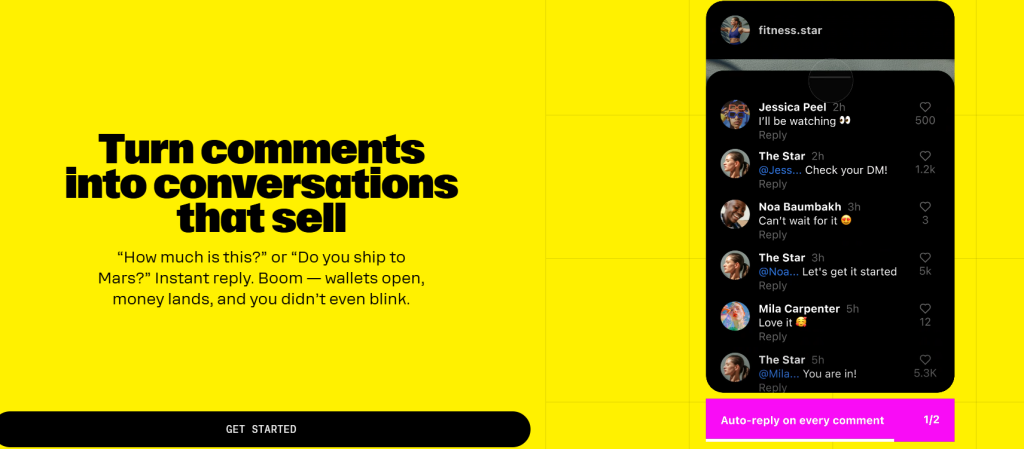
Getting started with ManyChat is straightforward. First, create an account on the ManyChat website. You can sign up using your Facebook credentials, which connects directly to your business page. Once logged in, you’ll be greeted by a user-friendly dashboard. Here, you can set up your first bot by selecting “New Bot.” Choose what type of messaging platform you want to use—Facebook Messenger is popular but consider WhatsApp or SMS for broader reach. Next, customize your bot’s greeting message and default responses. This sets the tone for interactions and helps guide users effectively. Now it’s time to design engaging flows. Use the visual flow builder to map out conversations based on customer inquiries or actions. Don’t forget about testing! Preview how customers will interact with the bot before launching it live. This step ensures a smooth experience when you finally go public with your many chat functionalities.
Tips for creating effective messaging sequences on ManyChat
Crafting effective messaging sequences on ManyChat requires a blend of strategy and creativity. Start by understanding your audience. What are their pain points? Tailor your messages to address these directly. Use conversational language to make interactions feel personal. Don’t overload users with information; instead, break content into digestible chunks. This keeps them engaged without feeling overwhelmed. Incorporate questions throughout the sequence to encourage responses. This not only boosts engagement but also helps you gather valuable insights about customer preferences. Consider timing as well; send messages at intervals that feel natural rather than bombarding users all at once. Testing different sequences will help identify what resonates most with your audience, allowing for continuous improvement over time. Finally, remember the importance of clear calls-to-action. Guide users on what steps they should take next, making it easy for them to engage further with your brand.
Integrating ManyChat with other marketing tools for a comprehensive strategy
Integrating ManyChat with other marketing tools can amplify your customer engagement efforts. By connecting it with platforms like Mailchimp or HubSpot, you create a seamless flow of information. This integration allows for targeted campaigns that resonate better with your audience. Consider using Zapier as a bridge to connect ManyChat with various apps. Automate tasks such as adding new subscribers to email lists or sending follow-up messages after purchases. This not only saves time but enhances the overall customer experience. Social media is another key area for integration. Linking ManyChat to Facebook Ads enables real-time responses from potential customers, driving conversions directly through chat interactions. Analytics tools also play a crucial role in this strategy. Monitoring user behavior within ManyChat provides insights into what works and what doesn’t, allowing you to refine your approach continuously.
Future trends and updates in the world of chatbots and customer engagement
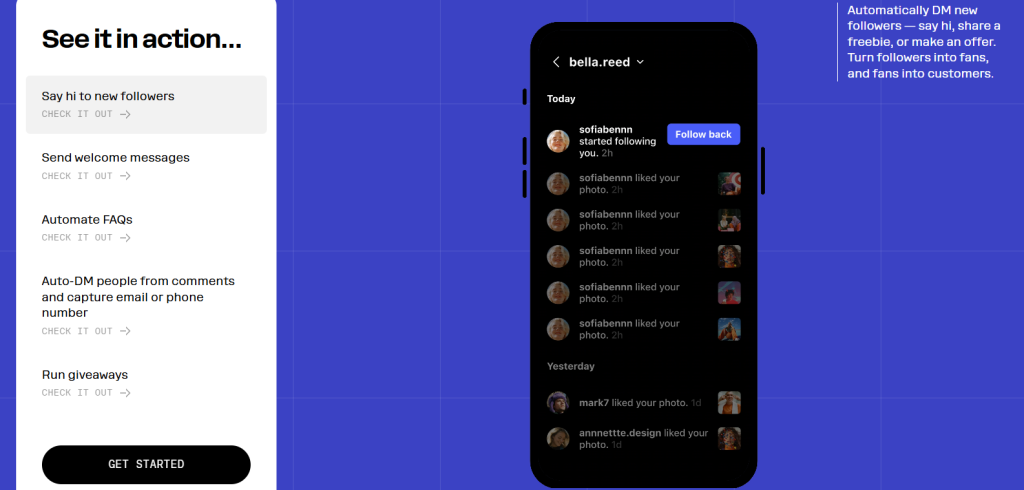
The landscape of customer engagement is rapidly evolving. As technology advances, chatbots are becoming smarter and more intuitive. They’re not just responding to queries; they’re understanding context and sentiment. AI-driven personalization is on the rise. Chatbots will soon tailor interactions based on individual user behavior and preferences, creating a unique experience for every customer. Voice-activated interfaces are also gaining traction. Imagine having conversations with your chatbot through voice commands. This shift could revolutionize how customers interact with brands. Moreover, integrating augmented reality (AR) into chat systems offers exciting possibilities. Customers might visualize products in their own space before making a purchase decision. Finally, enhanced analytics capabilities will provide businesses with deeper insights into consumer behavior. The future of chatbots isn’t just about automation; it’s about creating meaningful connections that foster loyalty and satisfaction.
Why ManyChat is a game-changer for businesses.
ManyChat is revolutionizing the way businesses engage with their customers. By leveraging its user-friendly interface and powerful automation tools, companies can create personalized experiences that resonate deeply with their audience. The integration of ManyChat into your customer engagement strategy opens up a world of possibilities. The ability to connect via social media platforms like Facebook Messenger means you can reach customers where they already spend their time. This seamless interaction fosters loyalty and encourages repeat business. As we’ve explored, successful case studies highlight the tangible results that come from using ManyChat effectively—higher conversion rates, improved customer satisfaction, and streamlined communication processes are just a few benefits many have experienced. Setting up ManyChat doesn’t require advanced technical skills; it’s designed for everyone from small startups to large enterprises. With careful planning and execution of messaging sequences, brands can communicate more efficiently while avoiding common pitfalls that may hinder success.