

Kinguin is best known as an online marketplace for digital game keys, software licenses, gift cards, and in-game items, and KING’s Pass is the optional paid membership layered on top of that storefront. Rather than working like a game library subscription, KING’s Pass is built around the buying experience. It adds member pricing, a monthly gift, partner offers, and faster support to an account that already shops on the platform. That distinction matters because the service is often compared with catalog-style subscriptions such as Xbox Game Pass, even though the two solve different problems. A catalog subscription rents access to a rotating library, while KING’s Pass lowers the cost of buying individual products. This review examines the KING’s Pass plan as it is currently presented on the Kinguin website, covering pricing, attached benefits, the rules that limit those benefits, and the type of shopper most likely to get value from it.
Kinguin KING’s Pass Pricing and Billing Structure
The Kinguin website lists KING’s Pass as starting from $2.99 per month plus applicable tax, which places it at the lower end of consumer subscriptions. Billing follows a recurring thirty-day cycle rather than a calendar month, a design the company says keeps charges uniform regardless of month length. Payment is accepted through PayPal and credit cards. The subscription is purchased through its own checkout, separate from regular product orders, so a membership and a game cannot share one basket. Guest checkout is not supported, which means an account must exist before enrolling. Some third-party coupon pages quote a higher monthly figure of $3.59, and a regional deal page suggested longer billing periods exist in some markets, so the price shown at checkout for a given country or promotion should be treated as the authoritative number. Cancellation is described as flexible. Benefits remain active until the current thirty-day period ends, and no cancellation fee is mentioned.
Kinguin Discounts Reserved for KING’s Pass Members
The headline benefit is the pricing advantage. Kinguin states that members can reach discounts of up to twenty-five percent across a catalog exceeding 150,000 items, spanning games, prepaid cards, software, and in-game items. The reduced price appears directly on eligible product pages, so the saving is visible before purchase rather than applied through a code. The word eligible carries weight here. The discount covers selected listings only, and the twenty-five percent ceiling describes a best case rather than a typical outcome. A further limitation is that the member discount cannot be combined with other promotions, so a shopper holding a newsletter code or a seasonal coupon must choose one. Coverage from a hardware publication on Windows 11 licenses illustrated the effect, noting that keys were available at noticeably lower prices for members. For anyone who buys several titles or software licenses across a year, the math is simple: the monthly fee set against cumulative savings.
Kinguin Gifts, Drops, and Partner Deals Inside KING’s Pass
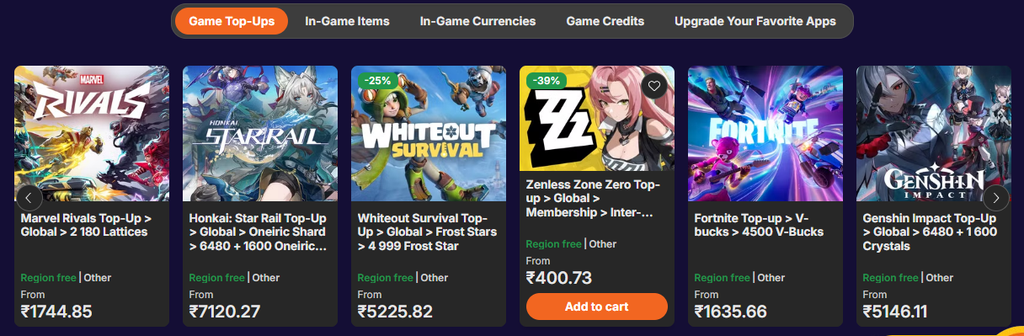
Beyond price cuts, KING’s Pass bundles several rotating extras. The KING’s Gift provides a random PC game key each billing period, claimed manually by the member, so the gift works as a bonus rather than a selectable product. Membership deals present curated offers reserved for subscribers, and Kinguin’s own pages mention partner offers and limited drops that appear according to current campaigns. Third-party sources describe weekly flash sales under the KING’s Drop name, with deep markdowns on selected items that tend to sell out quickly, although the specifics depend on the campaign and are never guaranteed. The membership also lists access to Kinguin’s game server hosting for multiplayer sessions, a feature aimed at groups who want a private environment. Because the monthly key is drawn from a pool, its value varies, and some months may deliver a title the member already owns or has little interest in.
Kinguin Support and the Marketplace Buying Experience
Priority customer support is the least glamorous but arguably most practical perk of KING’s Pass. Tickets from members are handled ahead of others, which can shorten waiting time when an order raises questions. A caveat appears in the official terms: reports about faulty keys that were sent to a merchant fall outside the support team’s handling, so response time in those cases depends on the seller’s own process. This reflects how Kinguin operates. The platform is a marketplace connecting independent sellers with buyers rather than a single retailer holding all stock, and optional Buyer Protection is offered separately at checkout. Public review aggregators such as Trustpilot display a score of roughly 4.5 out of 5 across more than 110,000 reviews, though a marketplace of this scale produces mixed individual experiences, and some reviews trace back to misunderstandings about subscription products. Prospective members should therefore view KING’s Pass as improving access to support, not as a replacement for protections tied to individual purchases.
Kinguin KING’s Pass Compared With Similar Services
Comparing KING’s Pass with other services requires choosing the right reference point. Subscription libraries such as Xbox Game Pass grant temporary access to a catalog, and when the subscription lapses, so does the access. KING’s Pass offers no rental library at all, since its value comes from reduced prices on keys that are purchased individually. Closer rivals are membership schemes at competing key marketplaces, with G2A Plus and the subscription from Gamivo frequently mentioned as parallels that bundle discounts and protection features into a recurring fee. Kinguin also operates a separate loyalty currency called Krowns, earned through purchases and site activity, which should not be confused with the paid membership. Within this field, KING’s Pass stands out for its low entry price and the inclusion of a monthly game, while the lack of a long commitment reduces the risk of simply testing it.
Kinguin KING’s Pass for Different Types of Buyers
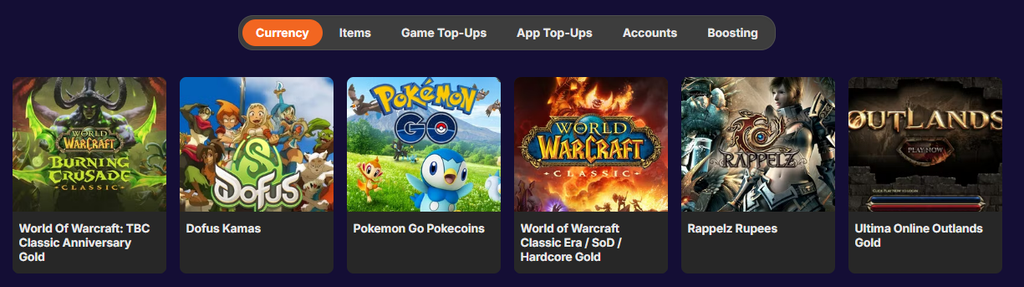
The profile of a suitable member is fairly specific. Frequent buyers of PC games, software licenses, or prepaid cards stand to gain most, because the monthly fee can be recovered through a handful of discounted purchases. Gamers who follow new releases may value the pre-order priority that some coverage links to membership, while groups running multiplayer sessions can make use of the server hosting access. Casual shoppers who purchase one or two titles a year may be better served by watching for a sitewide coupon or a newsletter offer. Practical use also involves timing. A member can subscribe shortly before a planned purchase, compare eligible prices, and cancel before the next cycle if the savings justify only a single billing period. Availability depends on the buyer’s location at the time of purchase, and one regional deal listing noted currency conversion irregularities, so verifying the displayed price before paying is a sensible habit with KING’s Pass or any similar plan.
Kinguin KING’s Pass and Its Place in the Digital Key Market
Within the digital key market, Kinguin occupies the position of a large, marketplace-driven store, and KING’s Pass reinforces that identity by rewarding repeat purchases instead of tying users to a content library. Its strengths are the modest price, the flexibility of cancellation, and a package that mixes savings, a monthly bonus, and faster support. Its limitations are equally clear. Discounts apply to selected items, cannot be stacked with other offers, and top out at a figure that few purchases reach. The monthly gift is random, and key problems handled by third-party sellers sit outside priority support. Because pricing, benefits, and regional availability are subject to change, the current terms on the Kinguin site remain the best reference before enrolling, and a quick comparison of final checkout totals will show whether the member price genuinely beats the standard one.