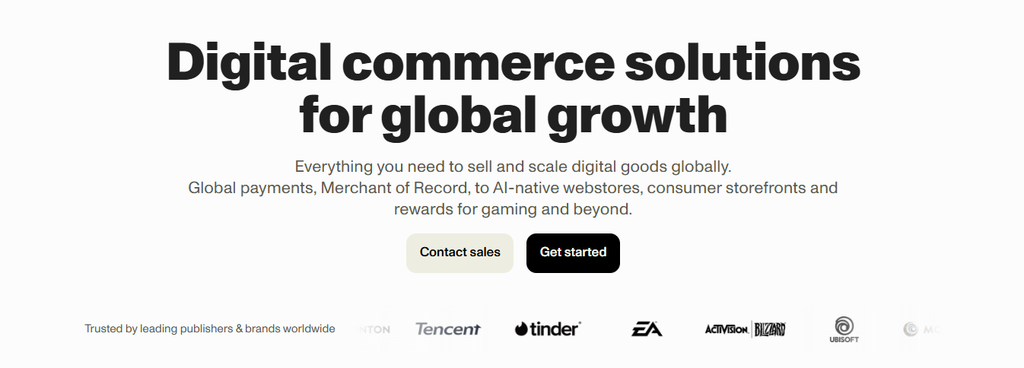
The Codashop Affiliate Program gives publishers, content creators, and niche gaming sites a way to earn revenue by sending readers and viewers to Codashop, a digital top-up storefront run by Coda, a Singapore-based company in digital content distribution and payments. Codashop sells game credits, vouchers, and in-game currency for a wide catalogue of mobile and PC titles, and the affiliate scheme turns that catalogue into a commission opportunity for anyone with a gaming audience. The program is not a single uniform offer. It is distributed through several affiliate networks, and the terms a publisher sees depend on the network, the region, and sometimes the size of the applicant’s audience. This review looks at how the Codashop Affiliate Program is organised, what it pays and under which conditions, how well it suits different kinds of publishers, and where its limits lie. Because listings differ, the figures below are reference points to confirm inside the network dashboard before any campaign is planned.
Codashop Program Background and Structure
Coda announced an expansion of its affiliate and ambassador offerings in August 2024, describing the changes as a push toward richer resources, higher commission rates, and closer collaboration between the Codashop team and the people promoting it. The result is a two-level arrangement. The general Codashop Affiliate Program is aimed at publishers who drive traffic and sales through links, while the Codashop Ambassador Program is aimed at content creators and streamers who want to turn gaming content into income. Codashop’s own communications have described the ambassador track as offering up to 10 percent commission per successful conversion, with eligibility tied to a credible social media presence and a commitment to creating content. After an application is submitted, the Codashop team reportedly follows up within a few days to explain onboarding. This tiered setup lets small blogs and established streamers enter at different levels without competing for identical terms.
Codashop Commission Rates and Tracking Terms
Commission figures for the Codashop Affiliate Program vary noticeably between listings, which is common for programs spread across multiple networks. The Involve Asia listing shows a rate of 3.5 percent for new customers across the catalogue, with one Activision-related title excluded, and notes that conversions are recorded in real time with no cap on earnings. Other directories report ranges that depend on whether the buyer is new or returning, and some describe seasonal bonus incentives. Cookie duration is another point of difference. One network listing mentions a 30-day window, while a third-party comparison of gaming programs cites seven days. A longer window helps publishers whose readers research before buying, whereas a shorter one favours impulse-driven traffic. Real-time tracking is the more useful feature in practice, because it lets a publisher see which pages and campaigns convert without waiting for a delayed reconciliation cycle.
Codashop Catalogue and Why It Converts

The Codashop Affiliate Program benefits from the storefront it promotes. Codashop lists top-ups for popular titles from publishers such as Riot Games, Garena, and Moonton, so the offer already matches what many mobile gamers buy repeatedly. Third-party descriptions also highlight local payment options, including wallets like GCash and OVO and regional methods such as Mercado Pago, which matter because card ownership is uneven across the markets where mobile gaming is strongest. Several reviews add that buyers can complete a purchase without registering a full account or entering a card, though availability depends on the game and the country. This lowers friction at the exact moment a reader decides to buy. One affiliate roundup rates conversion among mobile gaming audiences as high, which fits the low price points and frequent purchase habits of that segment. For a publisher, the catalogue effectively provides a ready-made answer to the question of where readers can top up safely.
Codashop Joining Process and Publisher Tools
Joining the Codashop Affiliate Program generally means creating a publisher account on one of the supporting networks, such as Involve Asia, FlexOffers, Impact, or CityAds, and then applying to the program for review. Network guides describe the sign-up as free, with a tracking link generated after approval and reporting tools that show clicks, orders, and earnings. Approval standards are not identical everywhere. The ambassador-oriented listing on Impact has been described as requiring roughly 1,000 social followers or an average of 1,000 live viewers, while at least one comparison states that another Codashop listing has no such audience requirement. Applicants should therefore check the exact criteria on the network they choose. The tooling itself is typical of the sector, offering link creation, performance reports, and promotional updates. It is functional rather than distinctive, and its practical value depends on how well a publisher uses the reporting to refine content.
Codashop Rules and Promotional Restrictions
The Codashop Affiliate Program places firm limits on how traffic may be generated, and these rules shape what kind of publisher can succeed. Published program terms describe a ban on pay-per-click advertising across Google, Bing, Yahoo, Facebook, and other search engines or networks, along with a strict policy against bidding on the Codashop trademark. Affiliate links are expected to point from a real page on the publisher’s own site, and paid social promotion that uses Codashop branding or tracking links falls under the restricted categories. These conditions protect the brand’s search presence and reduce competition from affiliates who might otherwise outbid the company on its own name. For content-led publishers, the restrictions are rarely a burden, since organic articles, video descriptions, and community posts remain allowed. For performance marketers who rely on paid search, the program is a poor match, and attempts to work around the rules risk commission reversals or removal.
Codashop Practical Uses for Content Creators
The Codashop Affiliate Program works best when the link sits inside content that already helps a gamer make a purchase decision. Step-by-step top-up tutorials for specific games, explainers on how regional payment methods work, and guides to in-game events or battle pass releases all give readers a reason to click at the moment they need currency. Streamers can place links in channel panels, descriptions, and pinned chat messages, particularly around new season launches or limited-time items. Network guides also point to seasonal campaigns that can carry extra incentives, so editorial calendars built around major game updates tend to line up with higher interest. Geography matters as well, because the strongest demand is in Southeast Asia, Latin America, and other markets where Codashop has local payment support. A publisher with an audience outside those regions may find fewer relevant offers, so audience analytics should be reviewed before committing effort to the program.
Codashop Market Position and Limitations
Within the broader gaming affiliate market, the Codashop Affiliate Program occupies a high-frequency, modest-percentage niche. Discount key retailers have been listed with commissions near 4.8 percent and 30-day cookies, while hardware brands such as Razer offer larger basket sizes but far less repeat purchasing. Codashop’s percentage looks lower beside some of these peers, yet the steady cycle of small, repeated top-ups can produce consistent earnings for sites with loyal mobile audiences. The main weaknesses are variability and dependence. Commission levels, cookie windows, and eligibility rules differ across networks, which complicates forecasting, and income tracks the popularity of the underlying games, so a title losing players can reduce traffic quickly. Competition is another factor, since many publishers cover the same popular games. Those who combine reliable guidance with careful tracking, and who respect the promotional rules, are best placed to benefit.