
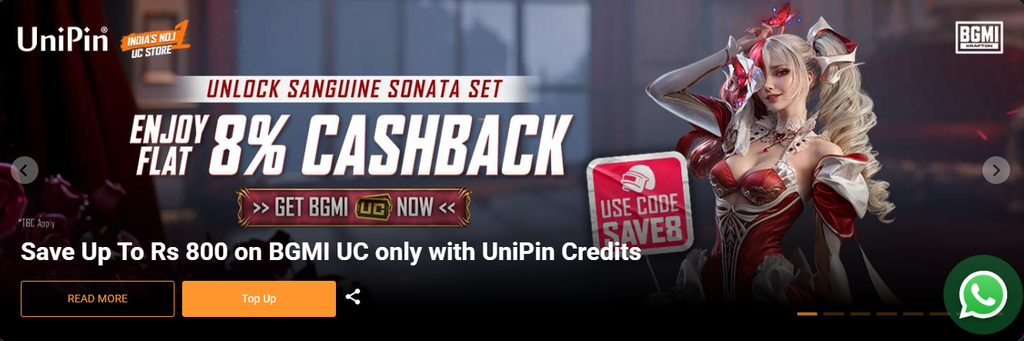
UniPin Credits sit at the center of what UniPin does as a Jakarta-based payment service provider for online games and digital products. Instead of sending players through a separate checkout for every publisher, UniPin issues an electronic pin that works as stored value across many titles. This review treats UniPin Credits as a product in its own right. It looks at how the balance is obtained, what it can pay for, how the experience feels in daily use, and where regional limits shape its usefulness. The analysis draws on the brand’s public positioning, recent promotional activity, and the way retailers describe the voucher format. UniPin Credits matter because game spending has become scattered across currencies named after gems, shells, diamonds, and crystals. A shared balance offers a tidy answer to that clutter, although availability, pricing, and eligibility vary by country and deserve careful reading before any purchase.
UniPin Background and Market Position
UniPin, short for Universal Pin, describes itself as a payment service provider rooted in Indonesia’s online and mobile game market, and its headquarters remain in Jakarta. The founding idea is an electronic pin that a player can use in multiple games from multiple publishers, which is the logic behind UniPin Credits. The brand has since looked beyond Indonesia, including a nationwide initiative aimed at Philippine mobile gamers, where the credits were presented as a way to reach international payment options without a traditional bank account. That angle explains much of the appeal in Southeast Asia, where card penetration is uneven and cash or e-wallet habits dominate. UniPin has also taken part in regulatory conversations, including a March 2026 discussion with Indonesia’s digital ministry about game age rating implementation. UniPin Credits therefore compete less with publishers than with the generic payment rails those publishers already accept, offering a gaming-specific alternative.
UniPin Credits Features and Functionality
In practice, UniPin Credits behave like a prepaid wallet. A player buys or redeems value, the amount appears in the UniPin account, and it can then be applied to game top-ups and selected digital vouchers. The catalogue includes well-known mobile titles such as Mobile Legends, Free Fire, and PUBG Mobile, plus PC games and other entertainment services, though the exact list depends on region. Many top-ups are delivered straight to the game account once the player enters identifiers such as a user ID and, for some titles, a zone ID. Other purchases return a voucher code that must be redeemed in the publisher’s own store, which adds a step but follows publisher rules. One published guide noted that Call of Duty Mobile points bought through UniPin applied only to Garena accounts registered in the Philippines, a reminder that regional locks are a real part of the product.
UniPin Design and Ease of Use
Navigating UniPin follows a pattern familiar from any digital storefront. The player finds a game through search or browsing, selects a denomination, enters account details, chooses a payment channel, and confirms. Prices are commonly displayed in local currency, which removes conversion guesswork. Redeeming a gift card, as retailers describe it, means signing in, opening the balance section, choosing the physical voucher or eVoucher gift card option, entering the serial number and PIN, and confirming, after which the credits appear automatically. The workflow is short, but accuracy matters at two points: typing the correct game identifiers and selecting the right regional version of a voucher. Mistakes at either stage can cause delays or leave a code unusable. The interface is built around speed rather than discovery, so it rewards players who already know what they want.
UniPin Payment Options and Accessibility
Accessibility is where UniPin Credits make their strongest case. In Indonesia, checkout options reportedly span e-wallets such as GoPay, OVO, DANA, and ShopeePay, bank transfers and virtual accounts, cards in some cases, and cash payment at convenience stores like Indomaret and Alfamart. An earlier partnership with Grab also let users buy UniPin vouchers from the app’s game top-up menu. For gamers without cards or bank accounts, buying a code and loading it as credits provides a route to international game stores that might otherwise be out of reach. The brand also frames the balance as a budgeting aid, since a fixed amount of credit limits impulsive microtransactions, a point of interest for younger players and their families. This breadth has a cost. The best-value channels shift between markets and promotions, so the same top-up can total differently depending on how it is funded, and the cheapest method is not always the most convenient.
UniPin Pricing, Promotions, and Value
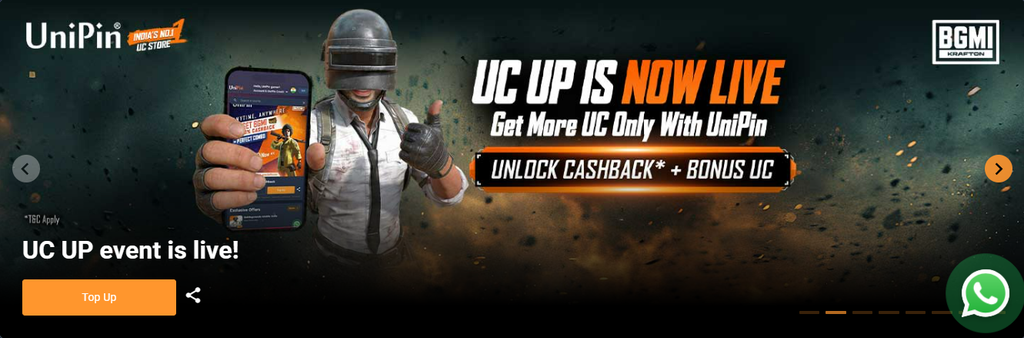
UniPin Credits are generally bought at face value, so the economic appeal comes from promotions and bonuses rather than a permanent discount. Recent campaigns show the pattern. In January 2026, a Free Fire promotion tied to a Satoru Gojo bundle offered 8 percent cashback, capped at 15,000 UniPin Credits, on top-ups of at least IDR 20,000 paid through selected bank virtual accounts. A partnership with Honest Bank, which ran until July 26, 2026, paired UniPin vouchers with credit card sign-up benefits, including an extra IDR 50,000 voucher for customers who used at least 80 percent of their limit in the first month. Coupon aggregators also list percentage discounts on specific top-ups, though such codes come and go and should be verified at checkout. Minimum spends, payment-channel restrictions, and expiry dates all affect real value. Occasional buyers may notice little benefit, while frequent spenders can accumulate meaningful savings over time.
UniPin Strengths and Limitations
The strengths of UniPin Credits are practical rather than flashy. One balance serves many games, delivery is generally described as quick once payment clears, payment diversity suits markets with low card use, and periodic promotions create savings. Years of focus on gaming give the platform a catalogue depth that general-purpose gift cards rarely match. The limitations deserve equal attention. Regional restrictions can make a voucher unusable outside its intended country, and marketplace listings explicitly flag activation limits, such as codes that cannot be activated in the United States. Games also differ in how top-ups reach the account, so some purchases still need a second redemption step in the publisher’s store. Stored value is a commitment as well, because credits are tied to the platform and refund conditions matter before large purchases.
UniPin Audience and Practical Use Cases
The natural audience for UniPin Credits includes mobile gamers in Southeast Asia who prefer e-wallets or cash, players who spread spending across several titles, and families looking for a controlled allowance for in-game purchases. Gift buyers form another group, since a voucher can be given without knowing which game the recipient plays. Competitive players who want to act quickly during limited-time events benefit from keeping a pre-funded balance ready. Less suited are people who spend on a single title whose publisher offers better direct promotions, or who live where UniPin coverage is thin. A sensible routine is to confirm that the intended game and region are supported, compare the final total across payment channels, check the regional version of any voucher, and keep transaction details on hand in case support is needed.